
Food Environment Basics
Research in behavioural nutrition has examined how the physical and social characteristics of the home food environment relate to eating patterns and dietary intake. This educational resource explores the key concepts from observational and experimental studies: food visibility, accessibility, cue exposure, and the role of household practices in shaping eating behaviours.
The home is a primary setting where food consumption occurs. Understanding how environmental factors—such as what foods are visible, where they are stored, and what social norms surround eating—associate with dietary patterns is central to nutritional epidemiology and behavioural research.
Educational content only. No promises of outcomes.
Visibility & Proximity Effects
Observational studies have documented correlations between the placement and visibility of foods in home kitchens and household intake patterns. Research suggests that foods stored in prominent locations or at eye level tend to be more frequently consumed than items stored less accessibly.
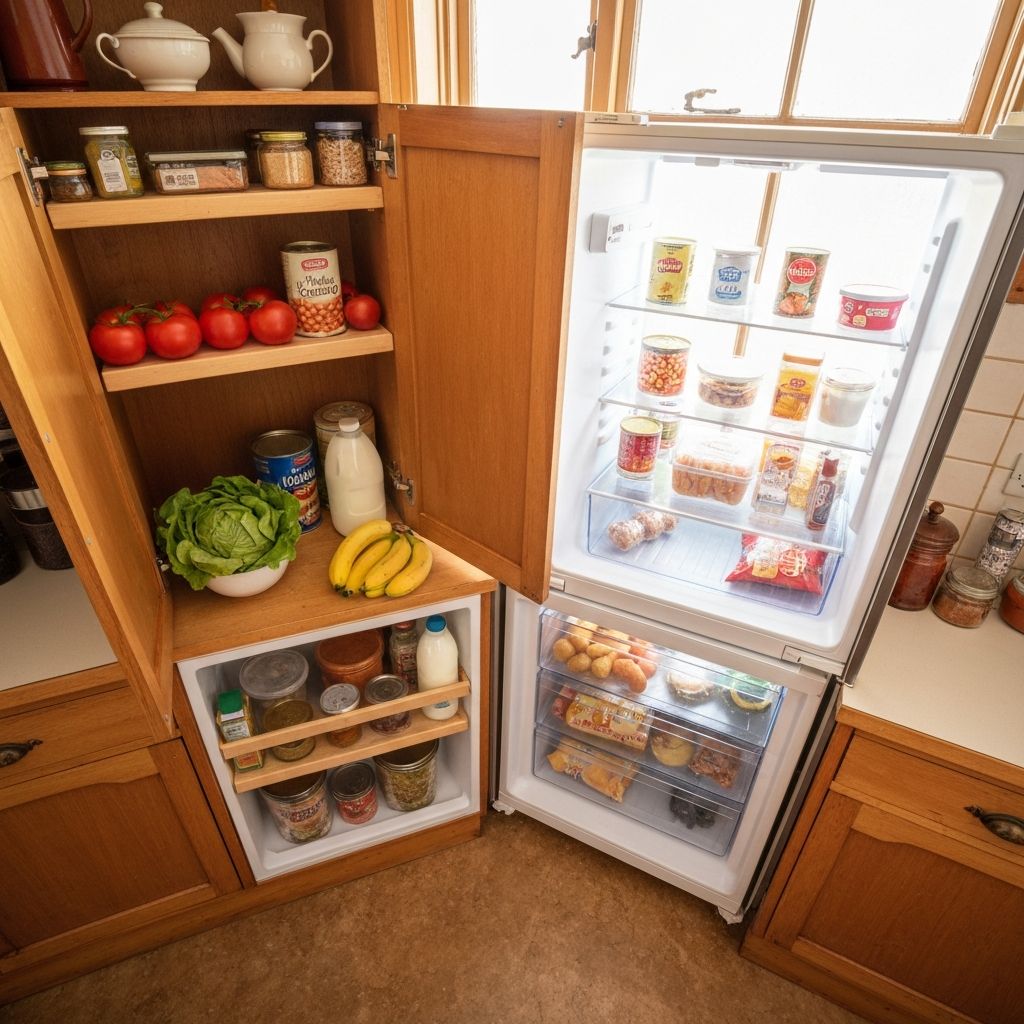
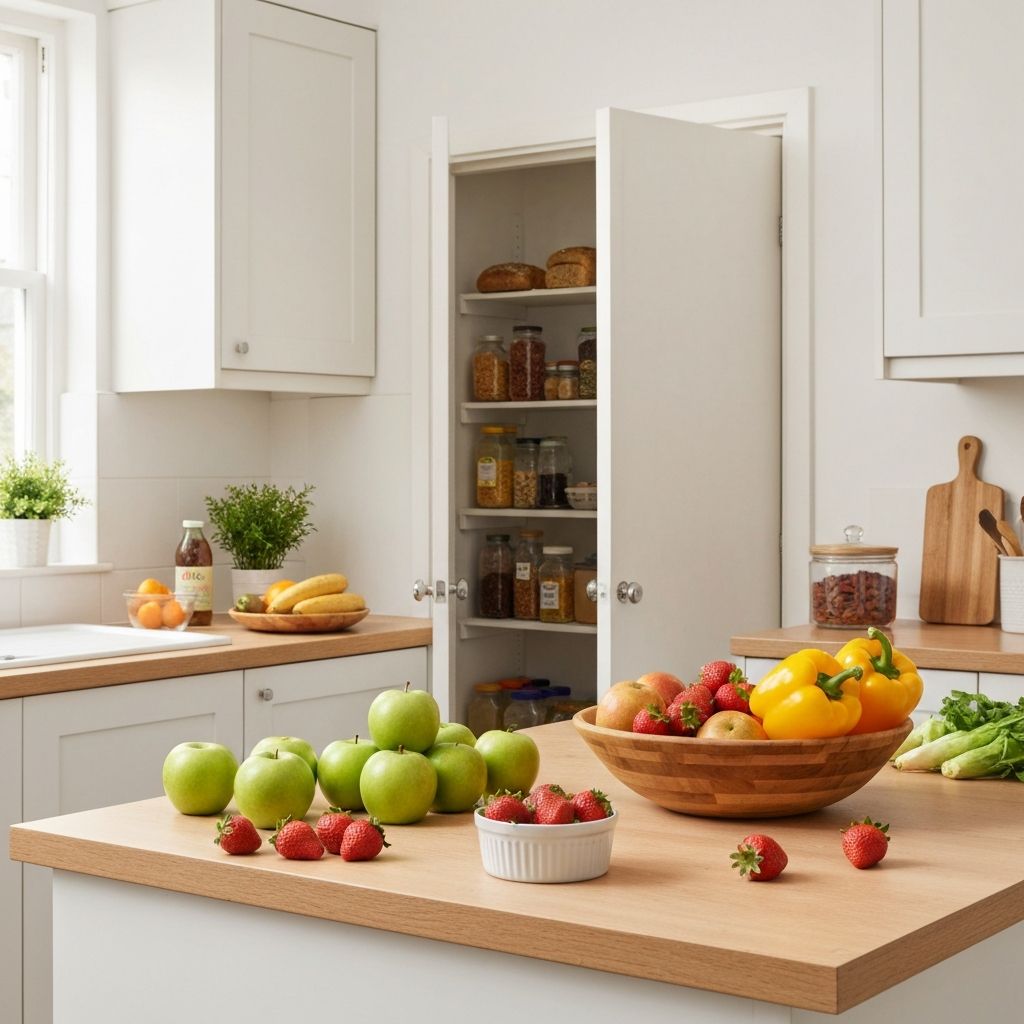
This is explored through the concept of environmental cues—visual signals in the home that may trigger or influence eating behaviours. When foods are readily visible (e.g., fruit in a bowl on the counter versus in a closed refrigerator drawer), household members encounter them more frequently.

Food Availability Patterns
The types and quantities of foods available in the household are linked to population-level patterns of dietary intake. UK household surveys have documented variations in the availability of energy-dense versus nutrient-dense foods across different populations.
Availability differs from visibility: an item may be available in the home but not prominently displayed. Qualitative and quantitative studies suggest that both the presence of foods and their presentation in the household environment correlate with what household members consume.
Storage & Organisation Observations
Observational data have noted patterns in how households store different food types—refrigerated items, cupboard staples, snacks, and perishables. Where and how foods are organised may influence their accessibility and likelihood of consumption.
Kitchen layout, cupboard versus shelf storage, and whether foods are pre-portioned or in bulk containers are variables noted in household food environment studies. These organisational practices vary widely and reflect household preferences, cultural practices, and available space.
Household Norms & Social Influences
Beyond physical arrangement, qualitative research has highlighted the role of household social norms in shaping eating patterns. What is considered normal, acceptable, or routine for food consumption within a household varies between families and across different cultural contexts.
Social practices—such as shared mealtimes, the presence of different household members, and implicit rules about food use—create a social environment that may influence individual eating behaviours. The home is not only a physical space but also a social setting where eating behaviours are learned and practised.
Common UK Home Examples
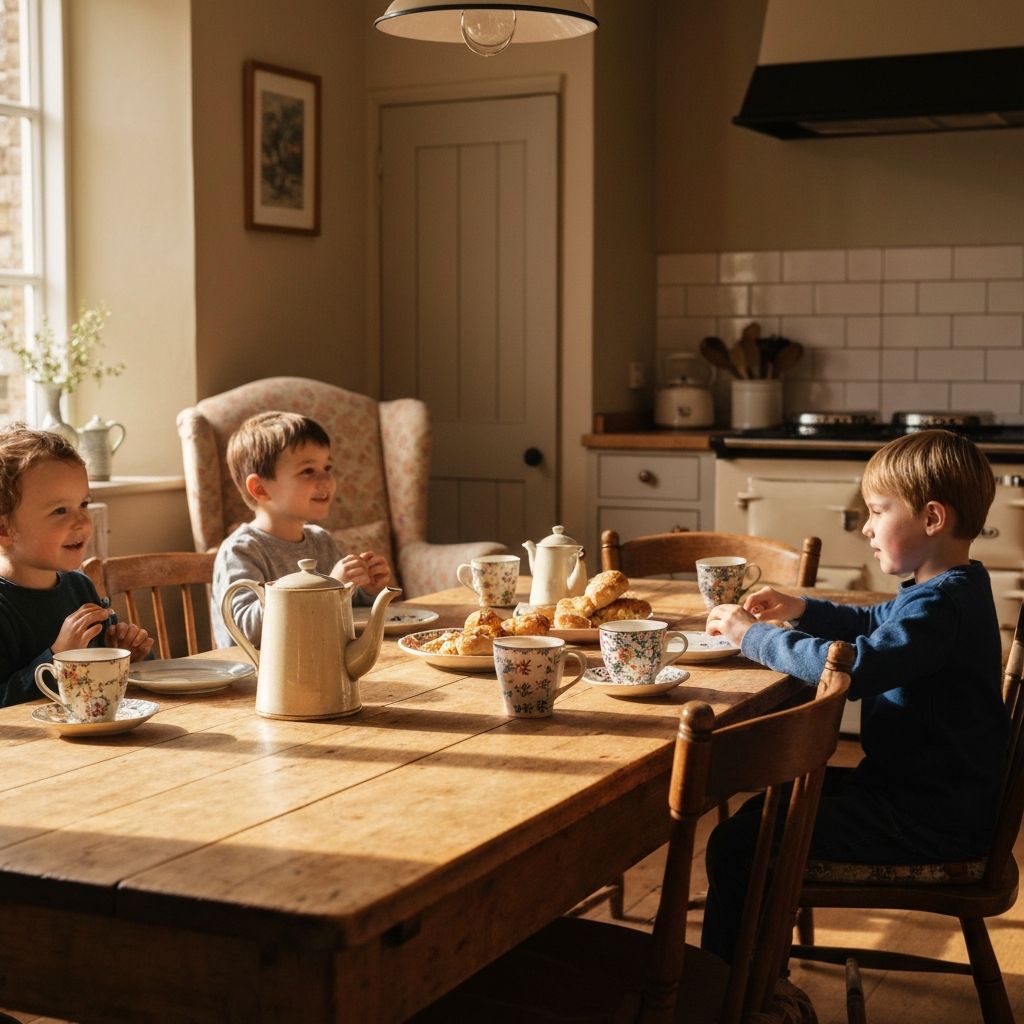
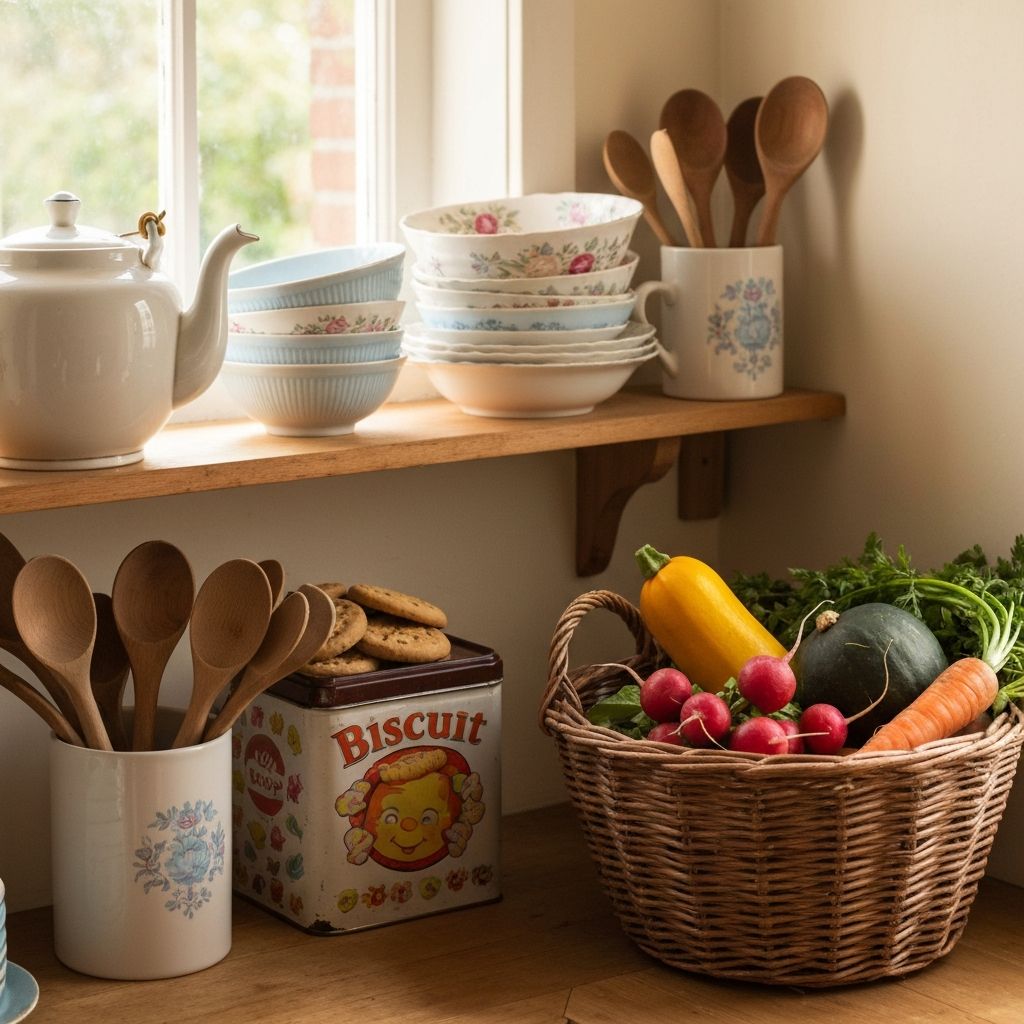
British household food environments commonly include items such as tea, biscuits, fresh vegetables, dairy products, and staple grains stored in various locations. UK homes typically feature kitchens with fridges, cupboards, and often open shelving or food storage areas.
Examples from UK public health materials describe household settings with different types of foods available. Understanding these typical environments provides context for how food placement and visibility vary in everyday British homes without prescriptive advice.
Psychological Cue Exposure
Research in environmental psychology and behavioural nutrition examines how exposure to food cues in the home—visual, olfactory, and contextual—may trigger eating responses. The presence of food, its visibility, and the context in which it appears are environmental signals that may automatically prompt consumption.
This is documented in laboratory and naturalistic studies. The automatic nature of cue-driven eating is an area of ongoing research, with individual differences noted in responsiveness to environmental signals.
UK Public Health Guidelines Context
UK government and NHS guidance on nutrition includes references to the home food environment as a factor influencing dietary quality and eating patterns. Public health materials acknowledge that the availability and prominence of different foods in the home associate with household dietary intake.
These materials are presented in an informational context, describing how home environments vary and influence eating, without mandating individual household changes.
Research Limitations & Variability
Important limitations exist in establishing direct causation between home food environment factors and eating outcomes. Individual and household variability is substantial—people respond differently to the same environmental setup, and multiple factors beyond the environment influence eating behaviour.
Self-report bias in dietary and environmental studies, correlational rather than causal research designs, and the complexity of human behaviour mean that generalisations should be made with caution. The relationships described in this resource represent observed associations and research concepts, not universal rules.
Featured Articles
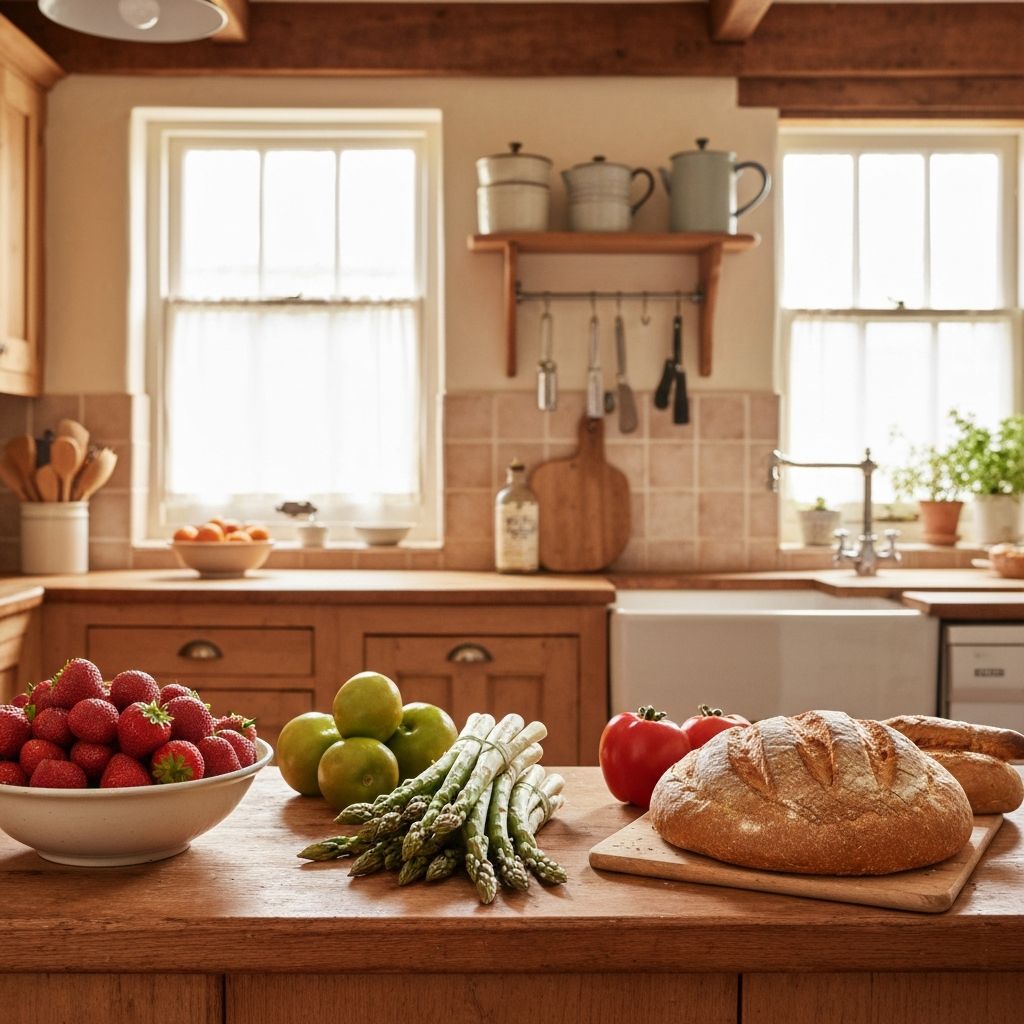
Visibility and Food Choice in Home Settings
February 2026
An overview of research on how food placement and visibility in home kitchens correlate with consumption patterns.
Read more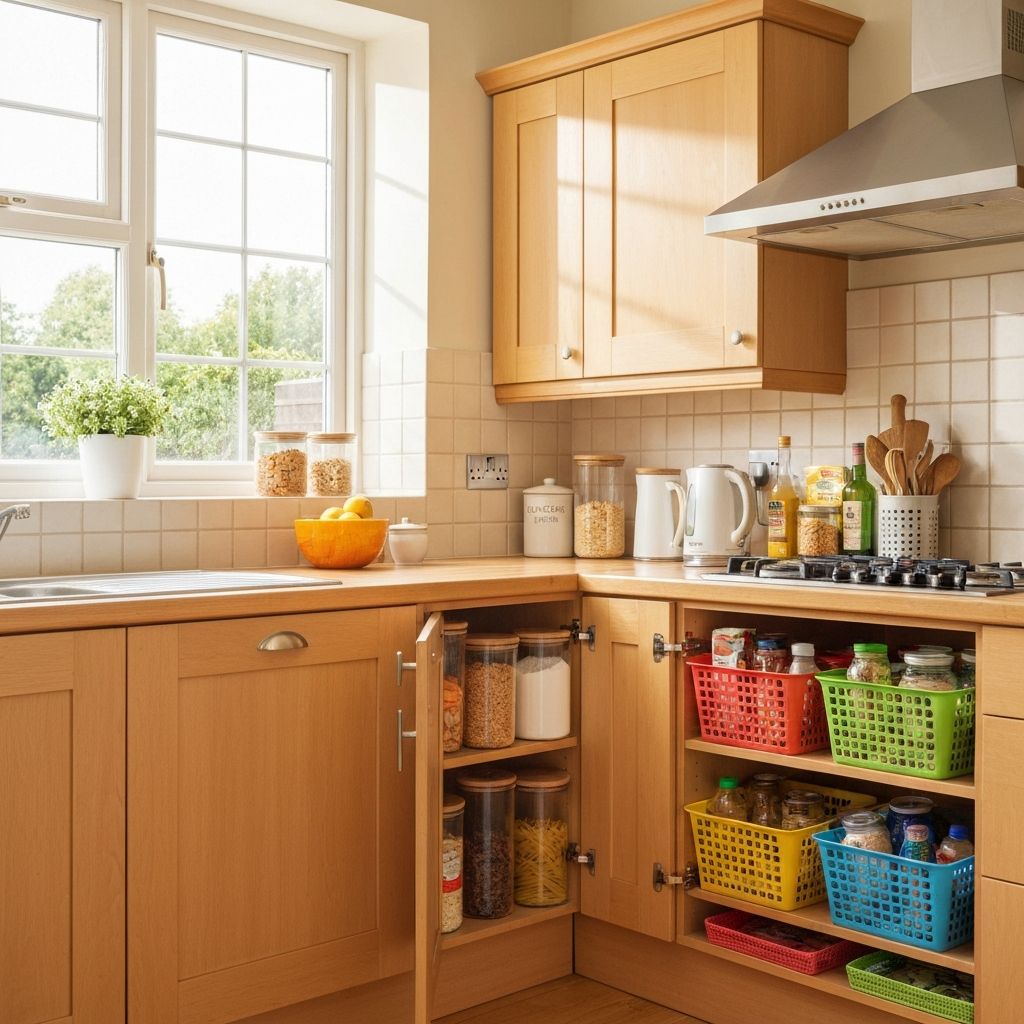
Accessibility of Energy-Dense Items in Households
February 2026
Examining how the accessibility and reach of different food types in household storage affects dietary composition.
Read more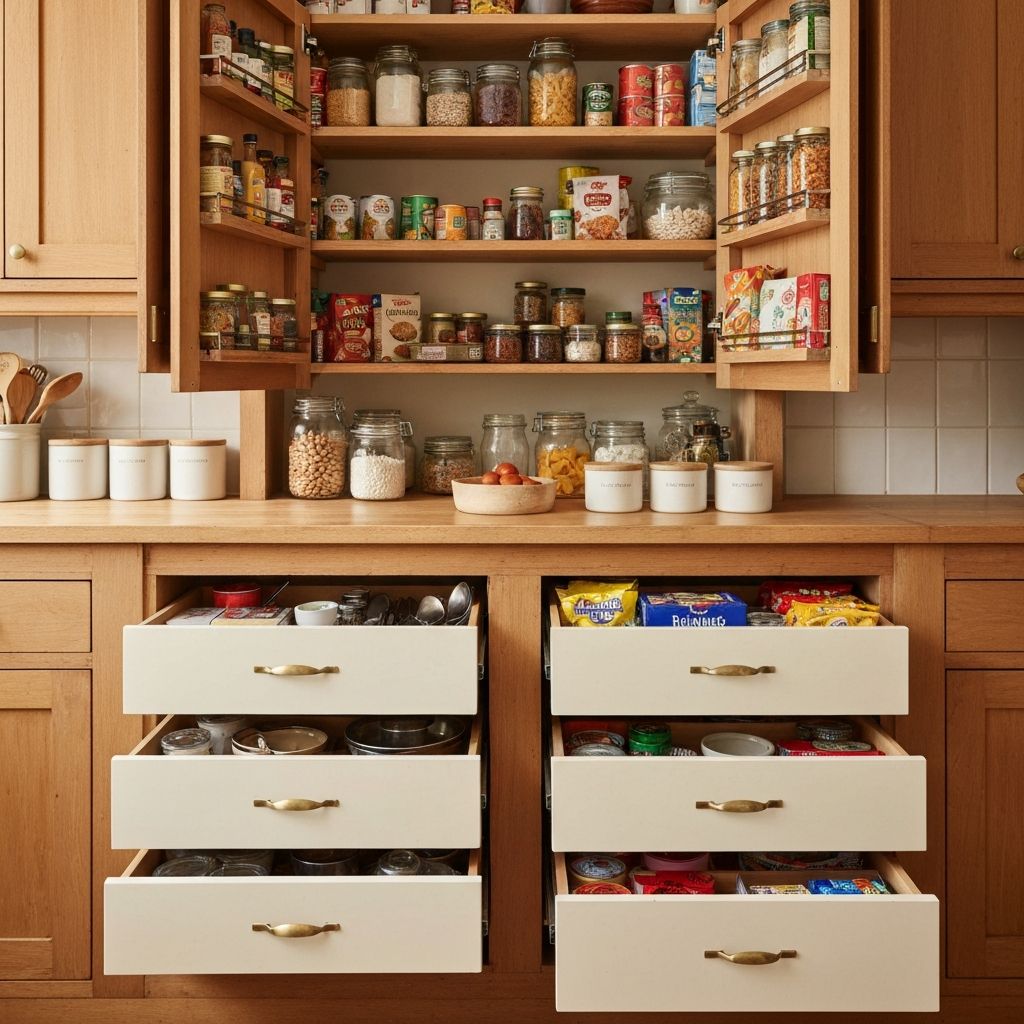
Kitchen Organisation Patterns in Observational Studies
February 2026
How different household storage methods and kitchen organisation strategies are documented in household food environment research.
Read more
Social Norms and Eating Cues at Home
February 2026
Understanding how family social norms, mealtimes, and household practices shape eating behaviours and cue responsiveness.
Read more
UK Home Food Environments in Public Health Context
February 2026
How UK public health materials describe and address the role of home food environments in dietary patterns and health.
Read more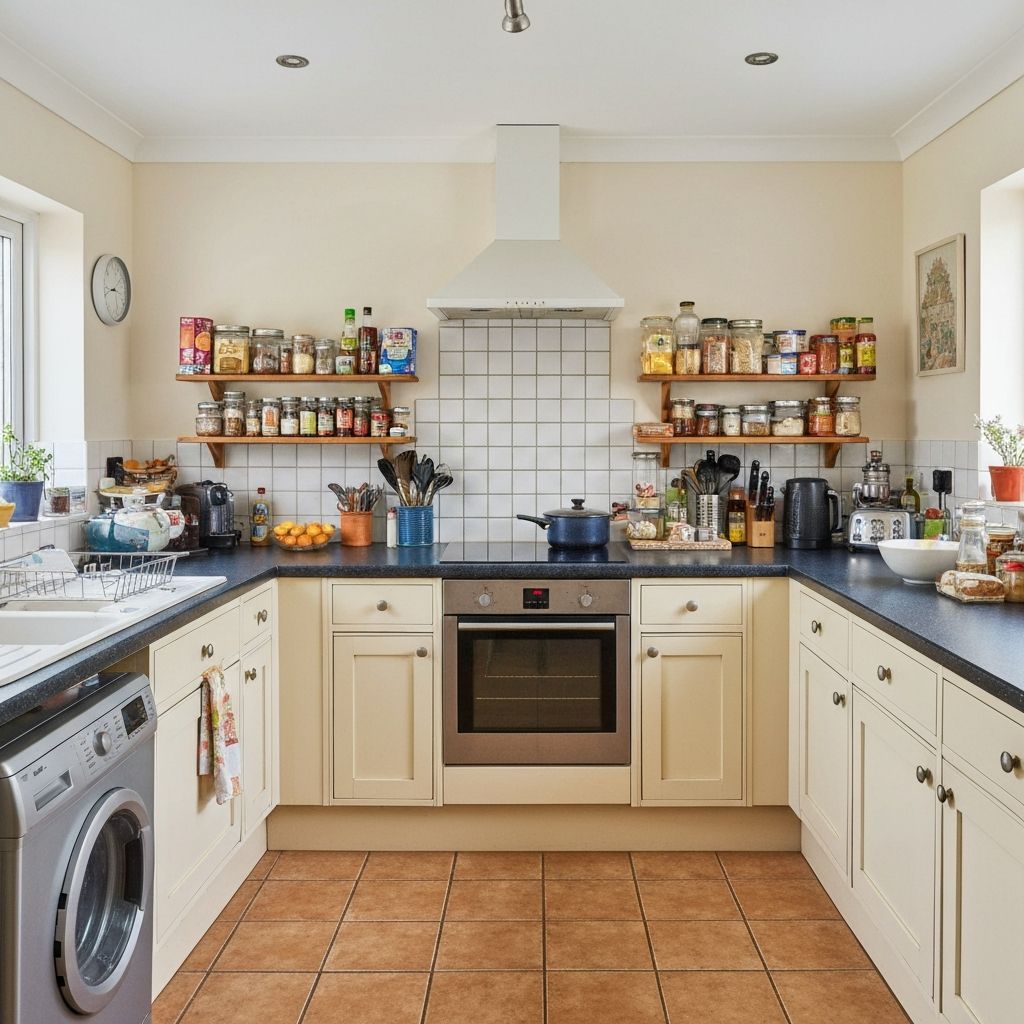
Limitations in Home Environment–Intake Research
February 2026
Examining the methodological challenges, causation questions, and individual variability in home food environment studies.
Read moreExplore More on Home Food Environments
Continue reading our detailed articles and research summaries
View all articlesFrequently Asked Questions
Food visibility refers to how easily and prominently foods are visible or noticeable in the home. Research suggests that foods placed at eye level, on open shelves, or in transparent containers are more visible than items stored in closed cupboards or at the back of fridges. Visibility is studied as one environmental factor that may correlate with how frequently foods are consumed by household members.
Researchers use various methods including observational studies where trained assessors visit homes and document what foods are present and how they are stored, household surveys where residents report on their food environments and eating patterns, and experimental studies examining how environmental changes affect food choices. These are typically correlational or descriptive, establishing associations rather than definitive causal relationships.
Availability refers to whether a food is present in the home at all. Accessibility refers to how easy it is to reach and use that food. A food can be available but not accessible if it is stored high up, in a locked cupboard, or in a form that requires preparation. Both dimensions have been examined in household food environment research.
No. Research documents associations between home food environments and dietary intake patterns in households, but does not establish that manipulating the home environment causes weight loss or other specific health outcomes. Individual responses to environmental factors vary greatly, and many other factors influence eating behaviour and body weight.
Home food environments vary significantly between households and across cultural contexts. Generalisations should be made with caution. Factors such as household composition, socioeconomic status, cultural practices, and individual preferences all influence both the home environment and eating patterns. The associations documented in research may not apply uniformly across all populations.
Qualitative research suggests that what is considered normal, acceptable, or routine within a household—regarding when, where, and what foods are eaten—influences individual eating behaviours. These norms are shaped by family culture, tradition, and social practices. Understanding these influences is important for recognising the diversity of eating patterns across households.
UK government and NHS materials acknowledge that the home food environment influences dietary quality and intake patterns. These materials describe how food availability, storage, and household practices associate with diet, in an informational context. Guidance is presented as general principles, not prescriptive mandates for individual homes.
Key limitations include: establishing correlation rather than causation, self-report bias in dietary and environmental assessments, substantial individual and household variability, difficulty isolating the environmental factor from other influences, and the complexity of human eating behaviour. These limitations mean findings should be interpreted cautiously and not overgeneralised.